Custom Metal Fabrication vs. Standard Components: Which Is Right for Your Project?
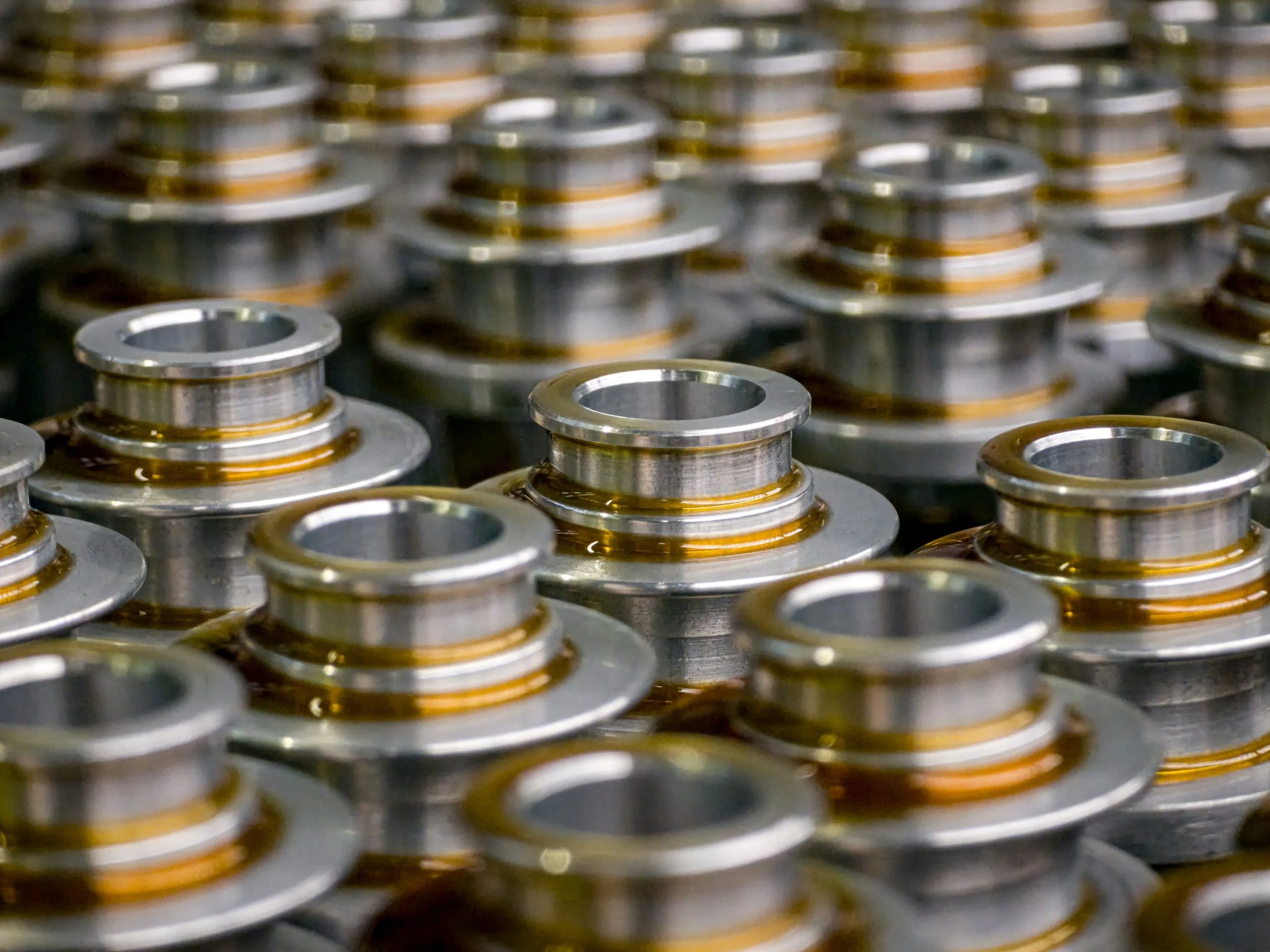
Choosing between custom metal fabrication vs standard components is a common decision for engineers, contractors, and procurement teams. The right choice can impact everything from project timelines and cost efficiency to long-term performance.
While off-the-shelf industrial metal components offer convenience, custom fabricated metal parts provide flexibility and precision when your project demands more than a one-size-fits-all solution.
What’s the Difference?
Standard (Off-the-Shelf) Components
Pre-manufactured parts that are mass-produced and readily available. These are designed to meet general industry needs and are typically stocked for immediate use.
Custom Metal Fabrication
A process where metal parts are designed and built to exact specifications. This includes cutting, forming, welding, and finishing tailored specifically to your project requirements.
When Should You Choose Custom Metal Fabrication?
You should consider custom fabricated metal parts when:
1. Your Project Requires Exact Specifications
If standard parts don’t meet your dimensional, load-bearing, or environmental requirements, custom fabrication ensures a precise fit and reliable performance.
2. You’re Working with Complex Designs
Projects involving unique structures, tight tolerances, or integration with other systems often require custom metal fabrication to function properly.
3. Long-Term Durability Matters
Custom solutions allow you to select materials and finishes suited to specific conditions whether that’s corrosion resistance, heavy loads, or high-traffic use.
4. You Want to Reduce Modifications On-Site
Using standard components often requires cutting, welding, or adapting parts in the field. Custom fabrication minimizes rework, saving time and labor costs.
5. You Need Design & Engineering Support
A fabrication partner can identify potential issues early, helping improve efficiency, reduce waste, and optimize your design before production begins.
When Do Standard Components Make More Sense?
Off-the-shelf industrial metal components may be the better option when:
The part is widely available and meets your exact requirements
Speed is critical and lead times must be minimal
Budget constraints favor lower upfront costs
The application is simple and doesn’t require customization
Cost vs. Value: What’s the Real Difference?
At first glance, standard components often appear more cost-effective. However, that doesn’t always translate to better value.
Custom metal fabrication can reduce:
Installation time
On-site labor and adjustments
Material waste
Long-term maintenance or replacement costs
In many cases, investing in custom fabricated metal parts upfront leads to greater efficiency and fewer issues over the life of the project.
How to Decide: Custom vs. Standard Components
Ask yourself:
Does this part need to meet specific performance or safety requirements?
Will modifications be required if I use a standard component?
What are the long-term implications of each option?
Do I need support from a fabrication expert to refine the design?
If the answer to any of these leans toward complexity or precision, custom metal fabrication is likely the better choice.
In Conclusion
The decision between custom metal fabrication vs standard components comes down to fit, function, and long-term value.
Standard parts offer speed and simplicity. Custom fabrication delivers precision, performance, and reliability when your project demands more.
For engineers and procurement teams, understanding when to use each approach ensures better outcomes, both in the short term and over the life of the project.