Metal Fabrication for Construction: What to Know Before You Build
Metal fabrication plays a critical role in construction projects where timelines are tight and specifications can’t slip. From structural supports to architectural features, custom-fabricated metal often enters the project early, remains highly visible, and must perform exactly as designed.
If you’re a general contractor, project manager, or architect, understanding how metal fabrication fits into the construction process can help you avoid delays, change orders, and costly rework. Here’s what to know upfront.
Not All Metal Fabricators Are Construction-Ready
Construction-scale fabrication requires more than welding skill. You need a fabricator that can:
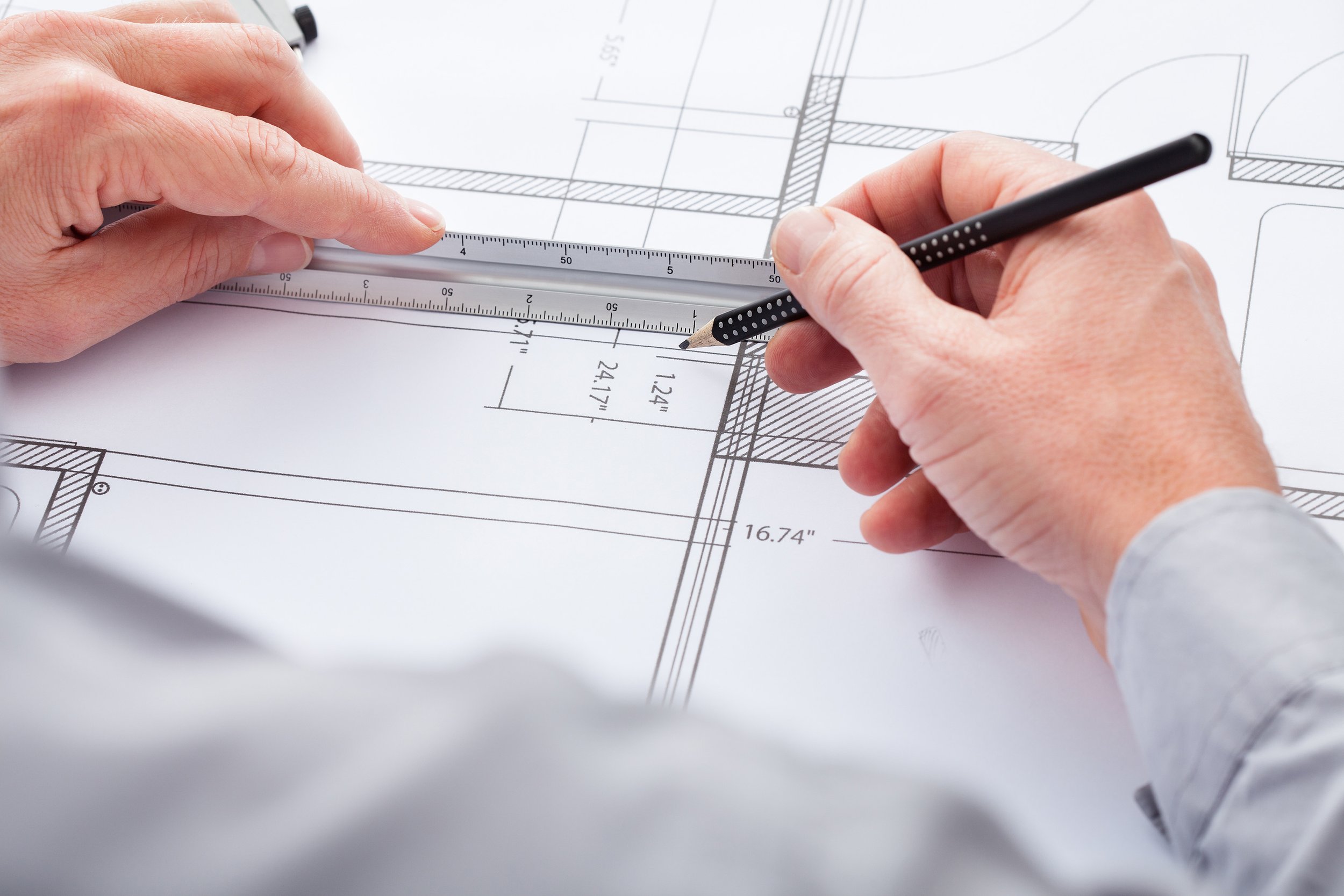
Interpret construction drawings accurately
Coordinate with multiple trades
Meet load bearing, safety, and fire code requirements
Fabricate precisely to spec without guesswork
At Elite Metal Fabricators, our team regularly integrates seamlessly into active job sites and evolving site conditions.
Early Involvement Reduces Risk and Improves Outcomes
Lead time matters. Bringing a metal fabricator into the conversation early helps identify issues before they reach the field. Experienced fabricators can:
Flag design conflicts or constructability concerns
Recommend better performing or more cost-effective materials
Anticipate installation challenges and sequencing needs
This level of collaboration only happens when fabrication is treated as a strategic partner, not a last-minute line item.
Look Beyond the Weld
A construction-ready metal fabricator doesn’t just build components, they plan, communicate, and deliver. From scheduling and coordination to documentation and field support, the right partner helps keep projects moving.
Elite Metal Fabricators works alongside construction teams on schools, entertainment venues, public works, and industrial facilities, providing reliable fabrication support from pre-construction through install.
When metal fabrication is done right, and brought in early, it becomes a stabilizing force on your project, not a risk factor. Choosing a fabricator with real construction experience can make the difference between staying on schedule and falling behind.